Anxiety isn’t a single emotion. It’s a complex mental and physical state that involves multiple emotions, bodily sensations, and thought patterns working together. While fear is the core emotion often present in anxiety, what you’re experiencing when you feel anxious includes worry, dread, restlessness, and sometimes irritability, all layered on top of physical responses like a racing heart, tight chest, or that familiar knot in your stomach.
Understanding this distinction matters because it changes how you relate to what you’re feeling. When you label anxiety as just one emotion, you might expect it to pass quickly like a wave of sadness or a flash of anger. But anxiety operates differently. It’s a response system, one that can persist and intensify, affecting how you think, what you do, and how your body functions throughout your day.
If you’re reading this, chances are you’ve felt that confusing tangle of sensations and wondered whether what you’re experiencing is normal, temporary, or something that needs attention. Maybe you’ve been told to “just calm down” or “stop worrying,” advice that falls flat because anxiety doesn’t respond to simple commands the way a single emotion might.
This article breaks down what anxiety actually is, how it works in your brain and body, the different forms it takes, and why recognizing its complexity helps you manage it more effectively. You’re not overreacting to a simple feeling. You’re navigating a sophisticated biological response that deserves a sophisticated understanding.
Key Takeaway: Anxiety isn’t one emotion but a combination of feelings, thoughts, and physical responses. Different types require different approaches, and understanding your specific experience empowers you to find the strategies that actually work for you.
What Anxiety Actually Is: The Plain-Language Definition
 A calm home setting highlights how anxiety can feel intense even in everyday moments.
Anxiety isn’t a single emotion. It’s a complex response system that weaves together multiple feelings, physical reactions, and thought patterns, all designed to help you deal with potential threats. When you’re anxious, you might experience fear about what could happen, worry about how to handle it, or dread about the consequences. These emotions arrive with a racing heart, tense muscles, and a mind that won’t stop spinning through worst-case scenarios.
Think of emotions like happiness, sadness, or anger as individual instruments. Anxiety is more like a whole orchestra playing at once, sometimes harmoniously, sometimes chaotically. It pulls from several emotions simultaneously while activating your body’s alarm system and changing how you think about situations.
This complexity is why anxiety can feel confusing. You’re not just experiencing one thing, you’re managing an entire cascade of responses, some emotional, some physical, some mental. Understanding this helps explain why telling yourself to “just relax” rarely works. You can’t simply switch off a multi-layered response with a single thought.
- Emotion vs. Emotional State vs. Anxiety Disorder
- An emotion is a brief feeling like fear or worry. An emotional state is when those feelings persist for hours or days. An anxiety disorder is when anxiety becomes so persistent and overwhelming that it interferes with your daily life, relationships, or ability to function.
- Fight-or-Flight Response
- Your body’s automatic survival mechanism that prepares you to either confront danger or escape from it by releasing stress hormones, increasing heart rate, and sharpening focus. Anxiety triggers this same response, even when the “danger” isn’t physical.
- Chronic vs. Acute Anxiety
- Acute anxiety is intense but temporary, like nervousness before a presentation that fades once you finish. Chronic anxiety persists over weeks or months, creating constant background stress even without obvious triggers.
The difference between normal anxiety and clinical anxiety often comes down to three factors: intensity, duration, and impact. Feeling anxious before giving a presentation is normal, your brain recognizes a situation where you’ll be evaluated, and it mobilizes resources to help you prepare and perform. That anxiety usually peaks right before you start, then gradually fades as you get into your rhythm. It might be uncomfortable, but it doesn’t stop you from functioning.
Contrast this with persistent, overwhelming anxiety that shows up without clear triggers, doesn’t fade when the situation passes, and makes everyday activities feel impossible. That’s when anxiety crosses into clinical territory. Someone with an anxiety disorder might feel that same presentation-level intensity while simply checking their email or trying to fall asleep. The response has become disconnected from proportional threats, creating suffering rather than protection.
How Anxiety Works in Your Mind and Body
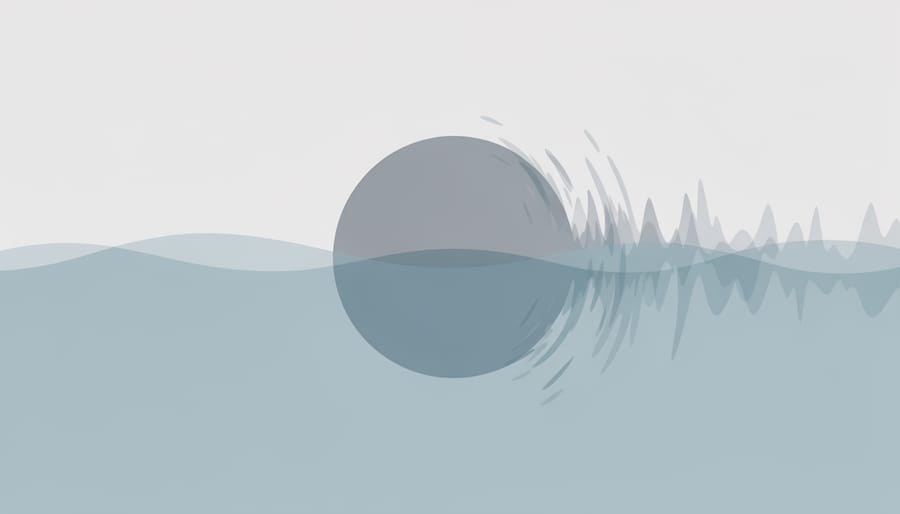 The rippling water represents how anxiety can disturb your inner sense of steadiness.
When you feel anxious, you’re experiencing your body’s threat-detection system in action. This system evolved to keep humans safe from danger, and it operates through a lightning-fast partnership between your brain and nervous system that doesn’t wait for your conscious approval.
Here’s what happens: A part of your brain called the amygdala constantly scans your environment for potential threats. It might be something obvious like an aggressive dog, or something subtler like a critical email from your boss. The amygdala doesn’t distinguish between physical danger and social threat, it treats both as signals to prepare for action. Once it detects something concerning, it triggers your sympathetic nervous system, which releases stress hormones including adrenaline and cortisol into your bloodstream.
These hormones create the physical sensations you recognize as anxiety. Your heart rate increases to pump more blood to your muscles. Your breathing quickens to take in more oxygen. Blood flow shifts away from digestion toward your limbs, preparing you to fight or flee. Meanwhile, your thoughts narrow and speed up, focusing intensely on the perceived threat and rapidly cycling through worst-case scenarios.
The experience includes both physical and emotional components that often arrive together:
- Racing or pounding heart
- Rapid, shallow breathing or feeling short of breath
- Muscle tension, especially in the shoulders, neck, and jaw
- Sweating, trembling, or feeling shaky
- Stomach discomfort or nausea
- Fear or sense of impending doom
- Restlessness or feeling on edge
- Difficulty concentrating as thoughts race
This cascade can build gradually or strike suddenly. Sarah, who lives with generalized anxiety disorder, describes it this way: “I notice my chest getting tight first, then my thoughts start spinning faster. Within minutes, I’m convinced something terrible is about to happen, even when logically I know I’m safe. My whole body feels like it’s bracing for impact.”
The challenge with anxiety is that this protective system can activate even when there’s no real danger, or it can remain switched on long after a threat has passed. Understanding these anxiety attack symptoms and their biological origins helps you recognize what’s happening in your body rather than feeling confused or frightened by the sensations themselves.
Different Forms Anxiety Takes: Recognizing the Variety
Everyday Anxiety vs. Clinical Anxiety Disorders
 The bright, surrounding lights convey the heightened alertness many people associate with anxiety.
We all feel anxious sometimes, that flutter before a first date, the racing heart before presenting to your boss, the sleepless night before exam results. This kind of anxiety is normal. It’s your mind and body preparing you for something that matters. It sharpens your focus, motivates you to prepare, and usually fades once the situation passes.
Clinical anxiety disorders work differently. The anxiety doesn’t match the threat level, doesn’t ease when the situation ends, and starts blocking you from living your life. You might avoid social gatherings entirely because the anticipation feels unbearable. You might spend hours each day checking and rechecking things, or wake up most mornings with dread that has no clear cause.
Here’s a useful distinction: everyday anxiety is proportional and temporary, while clinical anxiety is persistent and interfering. If you’re anxious about an upcoming medical test, that’s adaptive. If you’ve been avoiding scheduling necessary appointments for months because the anxiety feels too overwhelming, or if health worries dominate your thoughts even when doctors say you’re fine, that signals something more clinical.
The line isn’t always sharp. Some people experience what’s called high functioning anxiety they meet their responsibilities and appear capable on the surface, but live with constant internal distress that exhausts them and diminishes their quality of life. They’re managing, but at significant cost.
If your anxiety routinely prevents you from doing things you value, persists for months, or causes you significant distress most days, it’s worth talking to a healthcare provider. Clinical anxiety is treatable, and getting support isn’t about weakness, it’s about addressing a real condition that responds well to proper care.
The Main Types of Anxiety Disorders
Generalized Anxiety Disorder (GAD) shows up as persistent worry that hops from topic to topic, finances one hour, health the next, then your child’s safety, then an upcoming work project. People with GAD describe it as a constant hum of “what if” thoughts they can’t switch off. The worry feels excessive even when they know logically there’s no immediate threat. Physical symptoms often include muscle tension, fatigue, difficulty concentrating, and sleep problems that persist for months.
Panic disorder creates sudden, intense episodes of fear that peak within minutes. During a panic attack, your heart races, you might feel chest pain or numbness, experience shortness of breath, and fear you’re having a heart attack or dying. Someone with panic disorder lives in dread of the next attack, which can lead to avoiding places or situations where previous attacks occurred. One person described their first panic attack in a grocery store: “My vision narrowed, I couldn’t breathe, and I was convinced something catastrophic was happening to my body.”
Social anxiety disorder goes beyond normal shyness or nervousness before public speaking. It involves intense fear of judgment or embarrassment in social situations. People might avoid restaurants, meetings, or even making phone calls because the anticipation creates overwhelming anxiety. The fear centers on being watched, evaluated, or humiliated. Someone might rehearse a simple question dozens of times before asking it, or skip important opportunities entirely rather than face social scrutiny.
Specific phobias trigger extreme fear responses to particular objects or situations, flying, heights, needles, enclosed spaces, certain animals. The person usually recognizes the fear is disproportionate but feels powerless to control the reaction. A needle phobia might cause someone to avoid necessary medical care. A fear of flying could mean turning down job promotions or missing family events.
Separation anxiety disorder isn’t just for children. Adults can experience excessive distress when separated from attachment figures, worrying constantly that something terrible will happen to loved ones. They might struggle to leave home, need constant contact, or experience nightmares about separation.
Each type creates its own pattern of avoidance, physical symptoms, and emotional distress, which is why accurate identification matters for finding effective treatment approaches.
Situational and Context-Specific Anxiety
Beyond diagnosed disorders, anxiety often centers on specific life domains, and these worries usually start with a kernel of legitimate concern before spiraling beyond what’s helpful.
Health anxiety might begin with a real symptom or family history, then escalate into constant body-scanning and catastrophic thinking. You notice a headache and within minutes you’re convinced it’s something serious, despite reassurance from doctors. The underlying fear, that something could be wrong with your body, isn’t irrational. The intensity and persistence are what tip it into anxiety territory.
Relationship anxiety surfaces as fear of abandonment, constant reassurance-seeking, or hypervigilance about your partner’s mood shifts. You read into every delayed text or change in tone, your mind constructing narratives of rejection or betrayal. Often this stems from past experiences that taught you relationships aren’t safe, your anxiety is trying to protect you from getting hurt again, even when your current relationship is secure.
Work-related anxiety can look like anticipation anxiety before meetings, perfectionism that prevents you from finishing projects, or constant worry about job security. The fear of failure or judgment feels overwhelming, even when your performance record says otherwise. Workplace cultures that demand constant availability only amplify this.
Parenting anxiety runs the spectrum from normal protective instincts to intrusive thoughts about every possible danger your child might face. You know logically that you can’t prevent every scraped knee or disappointment, yet your mind insists on running through worst-case scenarios.
Financial stress triggers anxiety even when you’re managing, because the possibility of unexpected expenses, job loss, or economic instability is real. Your nervous system doesn’t distinguish well between “this could happen” and “this is happening now.”
Understanding which life domain triggers your anxiety helps you address both the rational concern underneath and the disproportionate emotional response on top.
When and How Anxiety Serves a Purpose (And When It Doesn’t)
Anxiety evolved as a survival mechanism. When our ancestors encountered a predator, that jolt of fear and heightened alertness kept them alive. Today, the same system activates before a job interview or when you hear your child cough in the night. This anticipatory arousal sharpens focus, speeds reaction time, and pushes you to prepare. The student who feels anxious about an upcoming exam studies harder. The parent worried about their teenager’s late arrival stays alert for the sound of the door.
This protective function works best when the threat is real, time-limited, and actionable. Anxiety signals: pay attention, prepare, respond. It motivates you to lock the door, review your notes, or have that difficult conversation you’ve been avoiding. The physical symptoms, faster heartbeat, tense muscles, heightened awareness, prime your body for effective action.
The problem emerges when anxiety persists after the threat passes, intensifies beyond what the situation warrants, or attaches to threats you cannot control. Instead of motivating preparation, it creates paralysis. Instead of sharpening focus, it scatters concentration across endless worst-case scenarios. The same mechanism that once protected you now exhausts you.
“I used to think all my worry meant I was being responsible,” Sarah, 34, told us. “Then my therapist asked me to notice: which worries led to helpful action, and which just spun in circles? I realized I’d spend hours catastrophizing about things I couldn’t change, my performance review three weeks away, whether my friend was mad at me, while the anxiety about paying bills actually prompted me to create a budget. Learning that difference changed everything.”
When anxiety stops you from living your life, dominates your thoughts for weeks without resolution, or creates suffering that outweighs any protective benefit, it has crossed from adaptive to maladaptive. Recognizing that shift matters, because it signals when you need additional support rather than just more willpower.
What This Means for Managing Your Anxiety
 A grounding object in a relaxed posture symbolizes using coping strategies to steady anxiety.
Understanding that anxiety is a complex response, not just one emotion, changes how you approach managing it. When you recognize that your racing heart, the worry spinning in your mind, and the dread you feel are all parts of the same system, you can stop fighting yourself and start working with your experience.
This knowledge helps you be more precise when talking to a therapist or doctor. Instead of saying “I feel anxious,” you can describe what’s actually happening: “I get this tightness in my chest and start catastrophizing about work situations that haven’t happened yet.” That specificity makes a mental health evaluation more useful and helps professionals match you with interventions that target your specific patterns.
It also means you need a toolkit, not a single fix. One anxiety relief techniques might calm your body while another interrupts your thought spirals. Someone with social anxiety benefits from exposure-based strategies and thought reframing, while someone with health anxiety might need cognitive work around uncertainty tolerance. What works for your colleague or friend won’t necessarily work for you because your anxiety shows up differently.
Consider these practical approaches:
- Name what you’re experiencing specifically, identify the emotion (fear, dread), the physical sensation (tight chest, nausea), and the thought pattern (catastrophizing, ruminating).
- Match your coping tools to your anxiety profile, grounding techniques for physical panic, cognitive strategies for worry loops, gradual exposure for avoidance patterns.
- Seek professional support when anxiety persistently interferes with work, relationships, or daily activities, or when self-help strategies aren’t enough.
- Build a personal anxiety toolkit with multiple options, breathing exercises, movement, distraction techniques, social connection, and professional therapy all have their place.
Understanding the complexity also builds self-compassion. You’re not weak or broken because deep breathing didn’t magically fix everything. You’re dealing with an intricate system that developed to protect you, and learning to work with it takes time, patience, and often trial and error. That’s normal, and it’s exactly why ongoing support matters.
Common Questions About Anxiety and Emotions
You’re not alone in feeling confused about anxiety and how it relates to your emotions. These questions come up constantly, and the answers can help you make sense of what you’re experiencing.
Can you have anxiety without feeling afraid?
Yes, absolutely. Many people experience anxiety primarily through physical symptoms like headaches, muscle tension, or stomach problems, or through restless thoughts and difficulty concentrating, without a strong sense of fear. Your anxiety is still valid even if fear isn’t the dominant feeling.
Is anxiety the same as stress?
They’re related but different. Stress is typically a response to an external pressure or demand that goes away when the situation resolves, while anxiety often persists even without a clear external trigger and involves more worry about potential future threats. You can feel stressed without being anxious, and anxious without being stressed.
Can anxiety cause other emotions like anger or sadness?
Yes. Anxiety frequently triggers or intensifies other emotions, irritability and anger are common when you’re feeling overwhelmed, and persistent anxiety often leads to sadness or hopelessness. These aren’t separate problems; they’re part of how anxiety affects your whole emotional experience.
How do I know if my anxiety is ‘normal’?
If your anxiety is proportionate to the situation, doesn’t last longer than the stressor, and doesn’t significantly interfere with your daily life, relationships, or ability to function, it’s likely within the normal range. When anxiety feels constant, overwhelming, or stops you from doing things that matter to you, that’s when it’s worth seeking support.
Understanding these distinctions helps you talk about your experience more accurately, whether that’s with friends, family, or a healthcare provider. There’s no shame in any form anxiety takes in your life, and recognizing the nuances makes it easier to find the right kind of support for what you’re actually going through.
So, is anxiety an emotion? Not exactly. Anxiety is far more complex than a single feeling, it weaves together multiple emotions like fear and dread, racing thoughts, and physical sensations that can range from a racing heart to a tight chest. What you experience might look completely different from what someone else faces, and that’s because anxiety shows up in different forms, from everyday nerves before a big meeting to persistent disorders that reshape daily life.
Understanding this distinction matters because it opens doors. When you recognize that your anxiety has layers, emotional, physical, cognitive, you can address each part instead of feeling stuck with a vague sense that something’s wrong. You can communicate more clearly with therapists, try targeted coping strategies, and show yourself compassion for an experience that’s genuinely complicated. This knowledge doesn’t make the anxiety disappear, but it gives you a framework for working with it rather than against it.
You don’t have to navigate this alone. Whether you’re dealing with occasional anxiety or something more persistent, support exists. Mental Health Support offers resources tailored to different anxiety experiences, and real-time support is available when you need someone to talk to right now. Reaching out isn’t a sign of weakness, it’s recognition that understanding your anxiety is just the beginning. The next step is getting the help that fits your specific needs, and that step starts whenever you’re ready to take it.