Month: June 2026

“Person sitting in a quiet living room with a hand over their chest and a glass of water, looking calmer and steadier in soft natural light.”

How to Stop a Panic Attack in Its Tracks (And What to Do Next)

Your heart is racing. Your chest feels tight. You can’t catch your breath, and you’re certain something terrible is happening to your body. If you’ve experienced these moments of overwhelming fear, you’re not alone. Panic attacks affect millions of people each year, and here’s what matters most right now: they are highly treatable, and you can learn to manage them.

A panic attack is your body’s alarm system misfiring. It triggers the same physical response you’d have facing real danger, except there’s no actual threat. The symptoms peak within minutes and include rapid heartbeat, sweating, trembling, shortness of breath, and intense fear of losing control or dying. These episodes can feel absolutely terrifying, but they cannot physically harm you, even though your body insists otherwise.

Many people think they are having a heart attack the first time it happens. Learning that what you felt was anxiety, not a medical emergency, is often the first step toward getting better, and there are tools that actually work.

Treatment for panic attacks falls into two categories: immediate techniques you can use during an episode, and longer-term approaches that reduce their frequency and intensity. Both matter. You need strategies to get through the attack happening right now, and you need professional support to address the underlying patterns.

The good news? Cognitive behavioral therapy shows remarkable success rates, often helping people significantly reduce or eliminate panic attacks within 12 to 16 weeks. Medication can provide relief while you develop coping skills. And simple breathing techniques can short-circuit the panic response when you catch it early.

Let’s explore what actually works, backed by current research and real experiences from people who’ve found their way through.

What’s Actually Happening During a Panic Attack

Your heart pounds so hard it might burst through your chest. Your hands tremble. You can’t catch your breath, and a wave of dizziness makes you certain something catastrophic is happening. Your mind races with terrifying thoughts: heart attack, stroke, complete loss of control.

Here’s what’s actually going on: your body has activated an ancient survival system that’s working exactly as designed, just at the wrong time.

A panic attack is your nervous system’s alarm response firing when there’s no actual danger. Think of it as a false alarm, not a malfunction. Your amygdala, the brain’s threat-detection center, perceives danger and triggers the fight-or-flight response. This floods your body with adrenaline and cortisol, preparing you to face a predator or run from a fire. Your heart rate spikes to pump blood to your muscles. You breathe faster to take in more oxygen. Blood flow redirects away from your digestive system, causing nausea. Your pupils dilate. You sweat.

These are the exact same reactions that would save your life in genuine danger. The problem isn’t that your body is broken, it’s that the alarm system is oversensitive, responding to internal sensations or stressors as if they were mortal threats.

Understanding normal vs abnormal anxiety responses helps here. The physical symptoms of panic feel extreme because they are extreme, your body is preparing for maximum exertion. But panic attacks are not dangerous even when they feel life-threatening. Your racing heart won’t give out. You won’t stop breathing. You won’t lose your mind or lose control, though the fear tells you otherwise.

The symptoms typically peak within ten minutes, then gradually subside. Your body can’t maintain that level of arousal indefinitely, the adrenaline burns off, and your system returns to baseline.

This isn’t weakness or imagination. For a deeper dive into how anxiety manifests, check out Anxiety 101. Panic attacks are a recognized medical condition with clear biological mechanisms, and understanding what’s happening can be the first step toward treatment that works.

Person sitting on the edge of a bed holding a cup of water with a calm, trying-to-regulate expression
A quiet moment of self-care shows how grounding during a panic attack can feel safer and more manageable.

Immediate Strategies: What to Do When Panic Strikes

The 5-4-3-2-1 Grounding Technique

When panic floods your body, your mind races ahead to catastrophe while your senses shut down. The 5-4-3-2-1 technique reverses this by anchoring you firmly in the present moment through your five senses.

Here’s how it works: Start by looking around and naming five things you can see. Be specific. Not just “a chair,” but “the scratched wooden arm of the brown chair” or “the dust floating in the sunlight near the window.” Then identify four things you can physically touch, the coolness of the wall, the texture of your jeans, your phone’s smooth screen, the ridges on your water bottle. Next, notice three things you can hear. Maybe it’s traffic outside, the hum of the refrigerator, or your own breathing. Then two things you can smell, even if it’s just the faint scent of laundry detergent on your shirt or the air itself. Finally, one thing you can taste, whether it’s mint from earlier or just the inside of your mouth.

The first few times, you may barely get through naming three things you can see before your heart rate starts dropping. With practice it becomes automatic: the moment you feel panic building, you start counting what’s around you, and it can stop the spiral before it takes over.

Breathing Methods That Actually Work

When panic hijacks your breathing, it’s not just in your head, hyperventilation floods your body with oxygen while reducing carbon dioxide, which intensifies the physical symptoms. Controlled breathing reverses this pattern and signals your nervous system to stand down.

Box breathing gives you something concrete to focus on: breathe in for four counts, hold for four, exhale for four, hold for four. Repeat. The equal intervals create a rhythm that steadies your heart rate. I’ve used this in grocery store aisles and during work presentations, it works because the counting occupies your mind while the pattern rebalances your blood gases.

Diaphragmatic breathing (belly breathing) engages your parasympathetic nervous system, the body’s natural brake system. Place one hand on your chest, one on your belly. Breathe in slowly through your nose, letting only your belly rise while your chest stays relatively still. Exhale slowly through pursed lips. This deep, slow breathing contradicts the shallow, rapid pattern of panic and tells your brain the emergency is over.

These aren’t just calming tricks. They’re recognized components of effective panic attack treatment, supported by clinical panic disorder treatment guidelines because they directly address the physiological cascade of panic.

Close-up of a person’s hands resting on chest and abdomen to suggest calming breathing
Close-up comfort cues illustrate how breathing and body awareness can help steady the nervous system during a panic surge.

Quick Cognitive Reframes

When panic hijacks your thoughts, it convinces you that the worst-case scenario is happening right now. Cognitive reframes are simple mental shifts that challenge that catastrophic thinking without requiring you to believe everything is fine. They create just enough distance from the panic to let your rational mind back in.

Try reframes like these in the moment:

“This is uncomfortable, but it’s not dangerous.” Repeating this when your heart races acknowledges what you’re feeling without feeding the fear that something terrible is about to happen.

“I’ve survived every panic attack I’ve ever had.” This factual statement reminds you of your track record. Your body knows how to come down from panic, even when your mind forgets.

“This feeling has a peak, and I’m already riding it.” Panic attacks typically peak within 10 minutes. Reminding yourself that the intensity won’t last forever helps you tolerate the discomfort rather than fighting it.

“My body is protecting me from a threat that isn’t really there.” This reframe transforms panic from an enemy into a misguided protector. Marcus finds this especially helpful because it removes self-blame while explaining why his symptoms feel so real.

You don’t need to master these perfectly. Even one reframe, repeated like a mantra, can interrupt the spiral long enough for other coping strategies to work.

Person walking slowly on a calm outdoor path under an overcast sky
A steady walk through nature symbolizes moving through panic symptoms and building resilience over time.

Evidence-Based Treatment Approaches for Lasting Relief

Cognitive Behavioral Therapy (CBT) and Exposure Therapy

Cognitive Behavioral Therapy stands out as the gold standard treatment for panic attacks because it tackles the problem at its root, the patterns of thinking and behavior that fuel the panic cycle. Instead of just managing symptoms, CBT teaches you to recognize the catastrophic thoughts that turn physical sensations into full-blown panic. You learn that racing heart doesn’t mean you’re dying, and that the terrifying feelings will pass.

Exposure therapy, a key component of CBT, works by gradually and safely exposing you to the physical sensations of panic in a controlled setting. Your therapist might have you deliberately trigger mild symptoms, spinning in a chair to create dizziness, breathing through a straw to feel breathless, so you can practice staying calm when these sensations arise. It sounds counterintuitive, but this approach teaches your brain that these sensations aren’t dangerous. Canadian guidelines for panic disorder rate CBT and exposure techniques highly based on decades of clinical evidence.

In practice, that might mean confronting a grocery store you’ve been avoiding for months, starting with just sitting in the parking lot and working up, step by step, to shopping during peak hours. It can feel impossible at first, but facing the fear in small steps is how exposure works.

The growing emphasis on exposure therapy training, including professional workshops offered throughout 2026, reflects how central this approach has become to effective panic treatment.
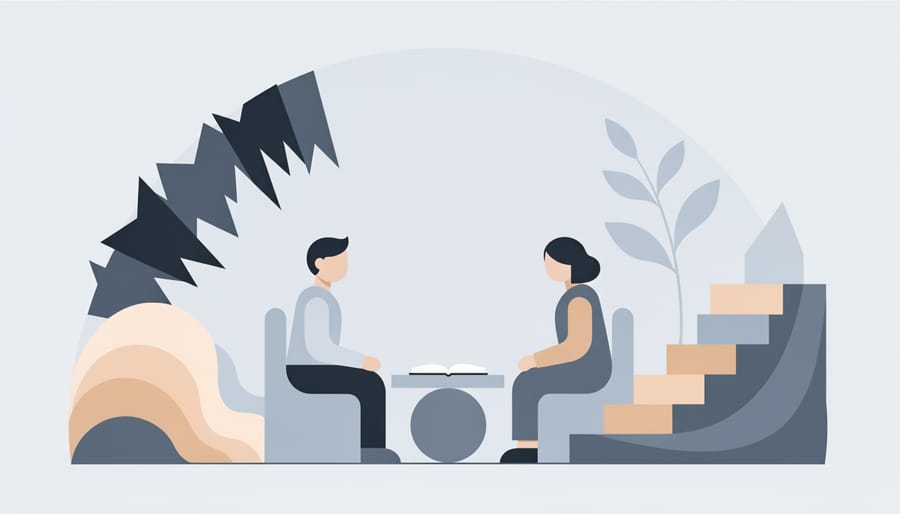
Open notebook on a desk with a warm mug in a therapist’s office, with a softly blurred seated silhouette in the background
A calm, supportive therapy space visually represents treatment planning and collaboration for lasting relief from panic.

When Medication Makes Sense

Medication isn’t for everyone, and that’s okay. But for some people dealing with frequent panic attacks, it becomes a valuable part of their recovery toolkit, especially when panic is severe enough to interfere with daily life or when therapy alone hasn’t provided sufficient relief.

Anti-anxiety medications and certain antidepressants can reduce the frequency and intensity of panic attacks, creating enough breathing room for therapy to take hold. Your doctor might suggest medication if you’re experiencing multiple panic attacks weekly, avoiding important activities due to fear, or struggling with co-occurring depression. SSRIs and SNRIs typically take several weeks to show their full effect, while benzodiazepines work quickly but are usually recommended for short-term use due to dependency concerns.

Here’s what matters most: medication works best alongside therapy, not as a replacement. Think of it as creating a foundation stable enough to practice the coping skills you’re learning. Some people use medication temporarily while building their anxiety management toolkit through CBT. Others find longer-term medication helpful for sustained management.

Finding the right medication often involves some trial and adjustment. What works brilliantly for one person might not suit another, and dosages need individualizing. Be honest with your healthcare provider about side effects, concerns, and how you’re actually feeling, not how you think you should feel. They can adjust your treatment plan based on your real experience.

Your treatment decisions belong to you and your care team. There’s no one-size-fits-all answer, only what works for your specific situation.

Newer and Complementary Approaches

While CBT and medication form the core of evidence-based panic attack treatment, several complementary approaches can enhance your recovery toolkit. Mindfulness-based interventions, for example, teach you to observe panic sensations without judgment, which can reduce the fear-of-fear cycle that fuels future attacks. Some people find that yoga, progressive muscle relaxation, or acupuncture help manage the overall anxiety that makes panic attacks more likely.

These strategies work best alongside, not instead of, professional treatment. Think of them as supporting players rather than solo acts. For instance, someone dealing with dentist anxiety that triggers panic might use mindfulness techniques before appointments while also working with a therapist on exposure exercises.

The key is finding what genuinely helps you feel grounded. One person I spoke with swears by her morning meditation practice, while another finds structured breathing exercises more effective. Your mental health provider can help you identify which complementary approaches might strengthen your treatment plan without distracting from the interventions with the strongest research backing.

Finding the Right Treatment Path for You

Starting therapy for panic attacks doesn’t have to feel overwhelming, even though it might seem that way right now. Your first step is simpler than you think: talk to your family doctor or a walk-in clinic physician. They can assess whether your symptoms align with panic disorder, rule out other causes, and refer you to appropriate treatment. Many family doctors now provide initial treatment themselves or connect you with mental health specialists.

When looking for a therapist, prioritize someone with specific experience treating panic disorder or anxiety conditions. Psychologists, clinical social workers, and registered psychotherapists can all provide evidence-based treatment. Ask potential providers directly: “What’s your experience treating panic attacks?” and “What approach do you use?” You want to hear about cognitive behavioral therapy or exposure-based methods, not vague promises about “talking things through.”

Here are questions that cut through the uncertainty:

How many sessions do you typically recommend before seeing improvement? (Most evidence-based treatments show progress within 8-12 sessions, though everyone’s timeline differs.)

Do you assign practice between sessions? (Effective panic treatment involves applying skills in real life, not just talking once a week.)

What happens if this approach isn’t working for me? (A good provider has backup plans and will adjust.)

Cost creates real barriers. If you have employee benefits, check your coverage limits and whether you need a referral. Many therapists offer sliding scale fees. Community mental health centers provide free or low-cost services, though waitlists exist. University training clinics often charge reduced rates. Don’t let finances stop you from asking about options.

Treatment works differently for everyone. You might need to try more than one provider or adjust your approach. That’s normal, not failure. Some people manage panic attacks through therapy alone, while others benefit from combining therapy with medication, particularly if they also experience generalized anxiety or depression. Your path is yours.

Give treatment a fair chance, typically at least six sessions, before deciding it’s not working. Recovery isn’t linear. You’ll have setbacks, and that doesn’t mean you’re doing it wrong.

Building Your Personal Prevention Toolkit

You’ve learned the immediate techniques and treatment options. Now it’s time to build habits that support your nervous system before panic strikes.

Think of prevention as strengthening your mental scaffolding. Regular sleep patterns matter more than most people realize, when you’re chronically under-rested, your stress response becomes hypervigilant, mistaking ordinary stressors for emergencies. Aim for consistent sleep and wake times, even on weekends. Your brain thrives on predictability.

Movement changes your body’s relationship with adrenaline. When you exercise regularly, you’re teaching your system that elevated heart rate and rapid breathing aren’t dangerous, they’re normal. You don’t need intense workouts. A 20-minute walk, gentle yoga, or swimming can shift your baseline anxiety levels. Pick something you’ll actually do, not something that adds another layer of stress to your day.

Identifying your triggers gives you a roadmap. Keep a simple log for a few weeks: when did panic show up, what happened beforehand, what were you thinking about? Patterns emerge. Maybe it’s crowded spaces, conflict with specific people, or late-afternoon blood sugar crashes. You can’t avoid every trigger, but knowing them helps you prepare.

Tip: Create a one-page panic action plan listing three grounding techniques that work for you, two trusted people to text, and your therapist’s contact information, keep it in your phone and share it with someone close to you.

Daily stress management isn’t about being calm all the time. It’s about processing stress as it comes rather than letting it accumulate. That might be five minutes of breathing exercises before bed, journaling when something bothers you, or setting boundaries that protect your energy. Small, consistent practices prevent the pressure buildup that fuels panic.

Here’s what matters: these prevention strategies support your recovery, but they’re not a substitute for professional treatment if you’re experiencing frequent panic attacks. Think of lifestyle changes as working alongside therapy and medication, not replacing them. You’re building resilience while getting the specialized help that addresses panic at its roots.

You Don’t Have to Face This Alone

I know how heavy everything can feel when you’re in the thick of panic attacks. Some days, just reading this article might have taken courage. But here’s what I want you to hold onto: treatment works, and you don’t have to figure this out alone.

Many people who struggle with panic attacks believe they will just have to live with them forever, but finding the right therapist and learning you aren’t broken can change that. Thousands of people recover or find significant relief through treatment each year. Whether you start with your family doctor, connect with a therapist, or explore mental health programs in your community, taking that first step matters more than taking the perfect step.

If you’re in crisis right now, please reach out. Call 988 for the Suicide Crisis Helpline, text CONNECT to 686868 for Kids Help Phone, or go to your nearest emergency department. These resources exist because you matter, and because help is available when you need it most.

You’ve already shown strength by seeking information. The next part of your journey, whatever treatment path makes sense for you, is waiting when you’re ready.

Person reviewing a clipboard and pen in a calm therapist office, representing navigating serious mental illness (SMI) and serious and persistent mental illness (SPMI) in mental health care.

What SMI and SPMI Really Mean When You’re Navigating Mental Health Care

If you’ve seen SMI in a doctor’s note, insurance form, or treatment plan, you’re probably wondering what it means for you or someone you care about. SMI stands for Serious Mental Illness, a clinical classification used by mental health professionals, insurance companies, and government agencies to describe conditions that significantly interfere with major life activities.

The definition matters more than you might think. It determines access to specialized treatment programs, disability benefits, housing assistance, and even which medications your insurance will cover. According to the National Institute of Mental Health, SMI refers to mental, behavioral, or emotional disorders that result in serious functional impairment. This typically includes conditions like schizophrenia, bipolar disorder, and major depressive disorder when they substantially limit one or more major life activities.

You might also encounter SPMI, which stands for Serious and Persistent Mental Illness. The “persistent” part emphasizes that the condition is ongoing, usually lasting a year or longer. Some states and treatment facilities use SPMI to identify people who need long-term, coordinated care.

Here’s what frustrates many people: these definitions aren’t perfectly consistent across healthcare systems. One insurance company might classify your diagnosis as SMI while another doesn’t. A therapist in California might use different criteria than one in New York. This inconsistency can create real barriers when you’re trying to access care or understand what your diagnosis means for your future.

The good news? Understanding these terms gives you power to advocate for yourself and ask better questions about your treatment options.

SMI in Mental Health: What the Acronym Actually Stands For

SMI stands for Serious Mental Illness, a clinical classification used in mental health care and policy to identify individuals who need intensive, coordinated treatment and support. When healthcare providers, insurance companies, or government programs refer to SMI, they’re talking about mental health conditions that significantly impair your ability to carry out major life activities, things like maintaining relationships, holding down a job, or taking care of yourself.

The SMI definition by SAMHSA the federal agency overseeing mental health services, provides specific criteria: adults aged 18 or older with a diagnosable mental, behavioral, or emotional disorder that results in serious functional impairment. This classification isn’t about labeling people. It’s a tool that determines eligibility for specialized services, funding streams, and community mental health programs designed for those facing the most substantial challenges.

You’ll also encounter SPMI, which stands for Severe and Persistent Mental Illness. While SMI focuses on current severity and functional impact, SPMI adds the element of duration, it describes conditions that are both severe and ongoing, typically requiring long-term treatment and support. SPMI defined in research captures this distinction, though healthcare systems don’t always agree on where to draw the line between serious and persistent.

The relationship between these terms can feel murky because they overlap considerably. SPMI is essentially a subset of SMI, all SPMI is SMI, but not all SMI is persistent. Someone experiencing a severe depressive episode might meet SMI criteria temporarily, while someone managing schizophrenia over many years would likely be classified as having SPMI. Understanding this difference matters when you’re navigating treatment options and accessing the specialized care designed for long-term needs.

Person sitting in a clinic waiting area holding a smartphone while waiting for mental health appointments
A person waits in a clinic setting, reflecting the uncertainty and effort involved in understanding mental health care labels and next steps.

Why These Definitions Matter More Than You Might Think

When you’re dealing with serious mental health challenges, these acronyms aren’t just clinical shorthand. They’re gatekeepers to resources, treatment programs, and financial support that can make the difference between stability and crisis.

The SMI or SPMI classification on your medical records can unlock access to specialized community mental health centers, intensive case management services, and coordinated care programs designed specifically for people with complex needs. Many states reserve their most comprehensive mental health services for individuals who meet SMI criteria, including peer support programs, housing assistance, and vocational rehabilitation. For disability benefits through Social Security (SSDI or SSI), having a documented SMI diagnosis strengthens your case significantly, though it’s not automatically qualifying. Insurance companies also use these classifications to determine coverage for intensive outpatient programs, residential treatment, and long-term therapy that wouldn’t be covered for conditions considered less severe.

Note: Because definitions vary across providers and states, you may need to advocate for appropriate classification if your symptoms meet severity criteria but your records don’t reflect it.

But here’s where it gets complicated. These same labels can create barriers you didn’t ask for. Some providers might make assumptions about your capacity or prognosis based on the classification alone. Job applications that require medical disclosure can become minefields. Even within healthcare, people with SPMI face documented access gaps, they’re 3.5 times less likely to access specialist palliative care services compared to others, reflecting systemic biases about who deserves comprehensive medical attention.

The classification itself doesn’t change who you are or limit what’s possible for your recovery. It’s a tool for accessing resources, and like any tool, it works best when you understand how to use it. Knowing where these labels help and where they hurt lets you navigate the system strategically rather than letting the system define your path forward.

The Challenge: No One Agrees on What SPMI Really Means

What ‘Severe’ Means in Practice

When clinicians talk about severe mental illness, they’re looking at three key areas, though you might be surprised by how much these measurements can differ from one provider to another.

Symptom intensity matters, but it’s not just about how distressing your thoughts or feelings are. Providers consider whether you’re experiencing psychotic symptoms, severe mood episodes, or symptoms that don’t respond to standard treatments. Someone with depression that lifts with therapy and medication wouldn’t typically meet severity criteria, while someone experiencing persistent delusions or treatment-resistant depression might.

The bigger factor is usually how your condition affects daily life. Can you maintain employment or education? Are you able to manage basic self-care consistently? Do you need significant support with housing, finances, or medical care? These functional impacts often carry more weight than symptom checklists.

Risk assessment completes the picture. This includes harm to yourself or others, frequent crisis episodes, and repeated hospitalizations. If you’re regularly in the emergency room or unable to stay safe without intensive support, that signals severity to most systems.

Here’s the catch: operational criteria vary by feature from one healthcare system to another. What qualifies as severe in one treatment program might not in another, which means your classification can shift based on where you’re seeking care.

Understanding the ‘Persistent’ Part

When healthcare providers talk about “persistent,” they’re describing mental health conditions that require ongoing treatment over months or years, not just a short-term crisis. This chronicity is what separates temporary struggles from conditions that need sustained professional support.

The duration piece is critical but not always clear-cut. Some systems require symptoms to persist for at least a year despite treatment, while others look for patterns stretching back several years. What matters most is whether you need continuous or regularly recurring care rather than a single intervention.

This doesn’t mean your symptoms never change. You might have better weeks or months followed by more difficult periods. The “persistent” label recognizes that managing the condition is part of your long-term life, much like someone managing diabetes needs ongoing monitoring and treatment adjustments.

Anxiety 101 teaches us that even common conditions can become persistent when they resist initial treatments and require specialized, coordinated care. For SPMI classification, persistence signals that you’ll benefit from integrated treatment planning, consistent provider relationships, and access to community mental health resources designed for long-term support rather than short-term fixes.

Conditions Commonly Classified as SMI or SPMI

Certain conditions show up more frequently under the SMI and SPMI classifications, but here’s what matters most: having one of these diagnoses doesn’t automatically put you in this category. It’s always about how severe your symptoms are and how long they persist, not just the label itself.

Schizophrenia and schizoaffective disorder are among the most commonly classified conditions. These involve significant challenges with perception, thought patterns, and managing daily tasks. Bipolar disorder, particularly when someone experiences severe manic or depressive episodes that interfere substantially with functioning, often meets SMI criteria.

Major depression can qualify when it’s severe and ongoing, especially if it hasn’t responded well to multiple treatment attempts. We’re talking about depression that goes beyond feeling low, depression that makes basic self-care, work, or relationships extremely difficult over an extended period.

Treatment-resistant conditions occupy unique ground here. If you’ve tried several medications or therapies without significant improvement and your symptoms continue disrupting your life substantially, you might meet SPMI criteria even if your initial diagnosis wouldn’t automatically suggest it.

Other conditions that frequently appear in this category include severe obsessive-compulsive disorder when it dominates someone’s daily functioning, severe post-traumatic stress disorder, and some severe eating disorders, particularly when they’ve required repeated hospitalizations or intensive intervention.

The crucial point is this: two people with the same diagnosis might have completely different classifications. One person with bipolar disorder managing symptoms effectively with treatment and maintaining their daily routine wouldn’t meet SMI criteria. Another person with the same diagnosis facing persistent, severe symptoms despite treatment very well might. The diagnosis is just the starting point. What actually determines classification is how the condition affects your life and how it responds to care.

Slightly open hospital doors with a beam of light leading into a dim corridor
Open doors and a lighted threshold symbolize how classifications can influence whether people reach specialty care and support services.

The Gap Between Labels and Care: What Research Shows

Understanding the label is one thing. Getting the care you deserve is another.

Recent research reveals a troubling reality: people with severe and persistent mental illness face significant barriers to comprehensive healthcare. A 2024 study found that individuals with SPMI experience 3.5x lower palliative care access compared to people without these diagnoses. This isn’t just about end-of-life care. It reflects a broader pattern where serious mental health conditions can actually reduce access to the very services that could improve quality of life.

The barriers are both systemic and subtle. Many healthcare providers still operate within fragmented systems where mental health and physical health teams don’t communicate effectively. Insurance approval processes can be more complicated when you have an SPMI classification. Some specialists hesitate to take patients with serious mental illness due to concerns about treatment complexity or simply lack of training in integrated care approaches.

Key Takeaway: Research shows people with SPMI are 3.5 times less likely to access specialist palliative care, highlighting a wider pattern of healthcare gaps. Understanding this disparity empowers you to advocate more forcefully for integrated, comprehensive treatment that addresses all your health needs.

This gap matters because people living with serious mental illness deserve the same comprehensive, compassionate care as anyone else. They often manage complex medical needs alongside their mental health conditions, yet coordinated treatment remains frustratingly rare in many healthcare systems.

The solution lies in integrated treatment approaches that address mental health, physical health, and social needs together. When care teams collaborate across specialties and view you as a whole person rather than a collection of diagnoses, outcomes improve significantly. Advocating for this kind of coordinated care isn’t demanding something extra. It’s asking for the standard of treatment everyone deserves.

What This Means If You’re Living with Serious Mental Illness

If you’re living with a condition that falls under SMI or SPMI, understanding this classification can help you access better care. The label itself doesn’t define you, but it can unlock resources that make a real difference in your recovery and quality of life.

Start by asking your treatment provider directly whether your condition meets the criteria for SMI or SPMI classification in your area. This matters because it determines eligibility for community mental health centers, intensive outpatient programs, and specialized services designed for people with ongoing treatment needs. Don’t assume your provider has already pursued this classification. Sometimes you need to advocate for it yourself.

Once classified, you gain access to coordinated care that addresses multiple aspects of your life, not just symptoms. This might include case management to help coordinate appointments and benefits, peer support programs where you connect with others who understand the journey, and structured environments like mental health day programs that provide therapeutic activities while you maintain your living situation.

Keep detailed records of your treatment history, hospitalizations, and how symptoms affect your daily functioning. This documentation becomes crucial when applying for disability benefits or appealing insurance denials. Write down specific examples of how your condition impacts work, relationships, and self-care. Vague statements don’t carry the same weight as concrete instances.

Connect with a case manager or social worker who specializes in serious mental illness. They know the system’s shortcuts and can help you navigate paperwork, find sliding-scale treatment options, and access community resources you might not discover on your own. Many community mental health centers offer this service at no cost.

Address all aspects of your wellbeing, not just psychiatric symptoms. If you’re struggling with anxiety at home or workplace anxiety bring these concerns to your treatment team. Comprehensive care means looking at housing stability, physical health, social connections, and vocational support alongside medication and therapy.

Remember that recovery isn’t linear, and needing intensive support doesn’t mean you’ve failed. It means you’re getting the level of care your situation requires right now.

Caregiver and person sharing a calm moment together in a community mental health setting with mugs on a table
A supportive moment between a caregiver and someone living with serious mental illness highlights practical help, dignity, and connection to community resources.

For Families and Support Networks: How to Help

When someone you care about lives with serious mental illness, you might feel overwhelmed by medical terminology, treatment plans, and system navigation. You don’t need to become an expert in SPMI classifications, but understanding that these labels exist to unlock services, not define your loved one, helps you support them more effectively.

Start by learning how their healthcare team uses these terms. Ask their psychiatrist or case manager what the SMI or SPMI designation means for treatment options, insurance coverage, and community resources in your area. Since definitions vary between providers and insurance systems, getting clarity about your specific situation matters more than memorizing textbook criteria.

Coordinate care by keeping a simple record of appointments, medications, and symptoms. Many families find success creating a shared document with emergency contacts, current medications, and crisis warning signs. This becomes invaluable during transitions between providers or emergency situations.

Reduce stigma starting in your own home. Use person-first language (someone with schizophrenia rather than a schizophrenic). Challenge your own assumptions about recovery and possibility. Your loved one is navigating symptoms and side effects that most people can’t imagine, while simultaneously facing a healthcare system that often fails them, as evidenced by research showing people with SPMI are 3.5 times less likely to access specialist care when they need it.

Take care of yourself, too. Supporting someone with serious mental illness is demanding work. Find your own therapist, join a family support group, and set boundaries that protect your wellbeing. You can’t pour from an empty cup, and your loved one needs you sustainable for the long term, not burned out in six months.

Moving Forward: Getting the Support You Deserve in 2026

Understanding what SMI and SPMI stand for is just the beginning. These classifications exist to help you access the care and support you need, not to define who you are or limit what you can achieve. If you’ve been navigating the mental health system with these labels, you already know it can feel overwhelming. But you deserve comprehensive care that addresses all aspects of your health and wellbeing.

Start by building a support team that sees you as a whole person. This means finding healthcare providers who coordinate their efforts, whether that’s your psychiatrist, primary care doctor, therapist, or case manager. Don’t hesitate to ask questions about your treatment plan or to speak up when something isn’t working. Your insight into your own experience matters.

Community connection makes a real difference. Mental health peer support groups, both in-person and online, offer understanding that comes from shared experience. TEMA provides resources and programs designed specifically to support people facing serious mental health challenges and their families. As we approach Mental Health Day 2026 opportunities to connect and advocate are growing stronger.

Remember that recovery looks different for everyone, and it’s rarely a straight line. The classifications we’ve discussed throughout this article are administrative tools, nothing more. They don’t predict your future or measure your value. With the right support, information, and self-advocacy, you can build a life that works for you. You’re not alone in this journey.

Diverse coworkers in a modern office break area sharing a supportive, welcoming moment with soft natural light and calm, hopeful atmosphere.

How World Mental Health Day 2026 Can Transform Your Workplace and Community

Every year on October 10th, millions of people around the world pause to recognize World Mental Health Day. In 2026, this global awareness campaign returns with renewed urgency as mental health challenges continue to touch nearly every family, workplace, and community.

If you’ve been struggling lately, you’re not alone. One in four people will experience a mental health condition at some point in their lives. Many spend years thinking they have to handle everything themselves, and reaching out for help is not weakness. It is strength.

World Mental Health Day offers something powerful: permission to start the conversation. Whether you’re experiencing anxiety, depression, or simply feeling overwhelmed by daily pressures, this day creates space to acknowledge what you’re going through without judgment.

This year presents an opportunity to take meaningful action. You might join a community event, start a conversation with someone you trust, or finally schedule that appointment you’ve been putting off. Organizations worldwide will offer free resources, workplace initiatives will spotlight mental wellness, and support networks will extend their reach to connect with those who need help most.

The theme for 2026 will be announced by the World Federation for Mental Health, but the core message remains constant: mental health is health. You deserve care, compassion, and access to resources that help you thrive. This October 10th, you can be part of a global movement that’s changing how we talk about, treat, and understand mental wellness.

What Makes World Mental Health Day 2026 Special

World Mental Health Day falls on Saturday, 10 October 2026 which makes this year particularly significant. Because it lands on a weekend, more people can participate without juggling work schedules or rushing through lunchtime events. Families can attend community activities together. Organizations have the flexibility to host longer, more meaningful gatherings.

Since 1992, this day has served as a global platform for mental health advocacy, education, and awareness. Each year, the official theme set by WFMH (the World Federation for Mental Health) shapes how communities, workplaces, and health organizations frame their efforts. The theme guides conversations from boardrooms in Toronto to support groups in rural communities, creating a shared language around mental health challenges and solutions.

What started as a single-day initiative has grown into a catalyst for year-round mental health work. Countries across six continents now recognize October 10 as a touchpoint for policy discussions, public education campaigns, and grassroots support efforts. In Canada, the Government of Canada officially recognizes the day in its calendar of health promotion activities, reflecting its importance in national health conversations.

The weekend timing in 2026 offers something else too: space. Space to reflect without pressure. Space for honest conversations that might feel rushed on a workday. Space for people managing their own mental health challenges to participate at their own pace, whether that means attending an event, sharing their story online, or simply taking time for self-care. This accessibility matters, especially for those who find traditional weekday programming difficult to access.

Planning Your Organization’s World Mental Health Day Activities

Diverse coworkers sitting together in an office lounge during a supportive mental health discussion
A calm, inclusive workplace setting where colleagues connect through supportive conversation and shared learning.

Getting Started with Workplace Mental Health Resources

Starting with workplace mental health initiatives doesn’t require a massive budget or specialized expertise. Many organizations already have access to tools they haven’t fully explored. The UFCW Canada mental health resources webpage offers practical materials designed specifically for addressing mental health in the workplace, a solid starting point for unions and employers alike.

Begin by identifying what you already have. Does your organization offer an employee assistance program? Do managers receive mental health training? Audit your current supports before October arrives. This prevents duplication and reveals genuine gaps.

Next, assemble a small planning team representing different departments and levels. Frontline workers often have insights leadership misses about what would genuinely help versus what looks good on paper. Include someone with lived experience if they’re willing to participate.

Download free planning guides to structure your approach. Workplace Options provides a booklet outlining concrete steps for observing World Mental Health Day, covering everything from securing leadership buy-in to scheduling activities that accommodate various shifts and work arrangements.

The most effective workplace initiatives start small and sustainable. A single lunch-and-learn session with genuine dialogue beats an elaborate one-day event that exhausts your team and disappears without follow-up. Focus on building something you can maintain beyond October 10.

Creating Inclusive and Safe Spaces for Conversation

Creating a space where colleagues feel comfortable discussing mental health requires intentional effort and a foundation of trust. Start by acknowledging that these conversations can feel vulnerable, particularly when people are managing workplace anxiety or other mental health challenges they haven’t previously disclosed.

Frame conversations around shared human experience rather than treating mental health as an “other people” issue. When leaders share authentically about their own challenges or learning moments, it signals that honesty won’t be penalized. This doesn’t mean oversharing, it means modeling that mental health is part of everyone’s story.

Language matters profoundly. Avoid casual use of clinical terms like “I’m so OCD” or “that’s crazy,” which trivializes real conditions. Replace “suffers from depression” with “experiences depression” or “living with anxiety.” These shifts acknowledge the person first, not the diagnosis. Skip workplace jargon about resilience or toughness that implies struggling is a weakness.

Create structured opportunities for conversation beyond impromptu hallway chats. Facilitated small group discussions with clear guidelines give people a predictable format. Establish ground rules together: confidentiality, no unsolicited advice, permission to pass, respect for different experiences. These boundaries let people engage at their comfort level.

Pay attention to who’s missing from the conversation. If your sessions only attract certain demographics or seniority levels, examine whether the format or messaging feels genuinely inclusive. People from marginalized communities often face additional barriers to workplace vulnerability.

Remember that psychological safety isn’t built in a single event. It emerges when leaders consistently demonstrate that disclosure won’t damage someone’s career, when policies match the supportive rhetoric, and when people see concrete follow-through on commitments made during these conversations.

How Individuals Can Participate and Make an Impact

You don’t need to wait for an organized event to make World Mental Health Day 2026 meaningful. Whether you’re navigating your own mental health journey, supporting someone you care about, or simply want to contribute to breaking down stigma, there are genuine ways to participate that match where you are right now.

Start where you feel comfortable. If you’re managing anxiety at home or dealing with other mental health challenges, observing this day might mean practicing self-compassion rather than pushing yourself to do more. Sharing your story, even privately with one trusted person, counts as participation. So does seeking support, educating yourself about your condition, or simply acknowledging that your mental health matters.

For those supporting a loved one, October 10 offers a natural opening to check in. A simple “I’ve been thinking about you, how are you really doing?” can create space for honest conversation. You might share a resource you’ve found helpful, or just listen without trying to fix anything. The day also provides an opportunity to learn more about what your friend or family member is experiencing, which strengthens your ability to offer meaningful support.

  • Share a personal reflection or supportive message on social media using hashtags connected to World Mental Health Day
  • Reach out to someone you know is struggling with a genuine offer of support
  • Attend a local or virtual event focused on mental health awareness
  • Donate to or volunteer with organizations providing mental health services
  • Educate yourself about a mental health condition you don’t fully understand
  • Start a conversation with friends, family, or colleagues about mental health

Digital participation extends your impact beyond your immediate circle. Sharing accurate information about mental health, amplifying voices of people with lived experience, or simply commenting supportively on someone else’s post contributes to a larger cultural shift. Just remember that performative posts don’t help as much as authentic engagement.

Community participation might look like joining a local walk, attending a workshop, or volunteering your skills. Some people find meaning in fundraising for mental health organizations. Others prefer quieter acts, wearing green ribbon, the international symbol of mental health awareness, or having one meaningful conversation with a neighbor.

The most powerful participation is whatever feels genuine to you and respects your current capacity. World Mental Health Day doesn’t demand grand gestures. It asks us to acknowledge that mental health is part of being human, and that every action toward awareness, understanding, and support matters.

Person practicing self-soothing at home with a phone set aside in a calm, quiet setting
A quiet moment of self-care that reflects how individuals can pause, reach out, and prioritize wellbeing.

Mental Health Education: Beyond One Day

World Mental Health Day 2026 offers a powerful starting point, but real change happens when awareness becomes embedded in our daily lives. Think of October 10 as a doorway rather than a destination. The conversations started, the resources discovered, and the commitments made on that Saturday can shape how we approach mental health throughout the entire year.

Sustained mental health education transforms workplaces and communities in ways a single day cannot. When organizations integrate mental health literacy into regular training, team meetings, and leadership development, they create cultures where people feel safe discussing struggles before they reach crisis points. Employees begin recognizing early warning signs in themselves and colleagues. Managers learn to respond with empathy instead of avoidance. This ongoing learning dismantles stigma more effectively than any awareness campaign because it normalizes mental health as part of overall wellbeing.

The momentum from World Mental Health Day can fuel quarterly check-ins, monthly lunch-and-learn sessions, or peer support networks that meet regularly. These sustained efforts signal that mental health matters every day, not just when it appears on the calendar. Organizations committed to this approach often see improved retention, reduced absenteeism, and stronger team cohesion because people feel genuinely supported.

For individuals, continuing education might mean subscribing to mental health newsletters, joining support groups, or exploring what programs offer in terms of structured support and treatment options. It could involve practicing skills learned on World Mental Health Day, whether that is boundary-setting, stress management techniques, or simply checking in with loved ones more intentionally.

Year-round commitment also means staying engaged with evolving research, emerging therapies, and shifting cultural conversations around mental health. The landscape changes as we learn more about trauma, resilience, and effective interventions. Keeping pace with this knowledge helps everyone become better advocates, whether for themselves, their teams, or their communities. Real transformation happens in the space between awareness days, in the daily choices to prioritize mental health with the same seriousness we give physical health.

People in a supportive community circle outdoors with linked hands and no readable text on a banner
Community members come together in solidarity, showing that mental health support can be shared and strengthened in everyday public spaces.

Resources and Support for Your Journey

Finding the right support starts with knowing where to look. Whether you’re planning workplace initiatives, seeking personal guidance, or supporting someone else’s mental health journey, these verified resources offer practical tools and information.

The World Health Organization’s official World Mental Health Day campaign page provides global context and annual themes set by the World Federation for Mental Health. For Canadian-specific observances, the Government of Canada’s health promotion calendar confirms October 10 as the designated date. Organizations planning workplace events can reference this planning guide, which outlines concrete steps for meaningful observation. UFCW Canada’s mental health resources webpage offers workplace-specific tools for addressing challenges in professional settings.

Campaign Information
WHO and Mental Health UK sites provide official themes, history, and global participation ideas. Best for understanding the day’s broader context and annual focus areas.
Workplace Planning Tools
Guides from UFCW Canada and Workplace Options deliver step-by-step frameworks for organizing events. Ideal for HR professionals and team leaders preparing October activities.
Educational Resources
Our own materials, including anxiety 101 content and specialized guides like dentist anxiety offer accessible learning for specific mental health concerns. Suited for individuals seeking foundational knowledge or coping strategies.
Real-Time Support
Digital and face-to-face services provide immediate assistance for those experiencing mental health challenges. Available for crisis situations or ongoing support needs.

Remember that World Mental Health Day highlights resources that remain available throughout the year. If you’re struggling right now, our real-time support services connect you with help immediately, not just on October 10. Education materials like our foundational guides work alongside community resources to build understanding and reduce isolation. The day itself serves as a reminder that support exists whenever you need it.

World Mental Health Day 2026 is more than a date on the calendar. It’s an invitation to begin or deepen your commitment to mental health, whether that means starting a conversation at work, reaching out for support, or simply acknowledging your own struggles with more compassion.

We recognize that everyone arrives at this day from a different place. Some of you are navigating your own mental health challenges. Others are supporting loved ones who are struggling. Many are working to create healthier environments in your workplaces and communities. Wherever you are in your journey, your participation matters.

The resources, tools, and support options we’ve shared aren’t just for October 10. They’re available whenever you need them. Real-time support, educational materials, and practical workplace guides remain accessible year-round because mental health doesn’t pause between awareness days.

If you’re ready to take a step, whether that’s downloading a workplace planning resource, joining a conversation, or reaching out for help, start where you are. There’s no wrong entry point, and you don’t have to navigate this alone.